

Talk to an Expert
Talk to an Expert
Lighting is a powerful tool that can completely change the feel of a space. One key factor in lighting design is color temperature, which influences how we experience light in a room.
Depending on the setting, the right color temperature can create a cozy, relaxed environment or a bright, focused atmosphere.
Knowing how lighting impacts the overall ambiance is important, whether you are trying to create a certain mood in a living room, increase productivity in an office, or take the ideal photo.
In this blog, we will explore how color temperature does in lighting, how it affects the way we perceive spaces and objects, and how to choose the right light for different environments.
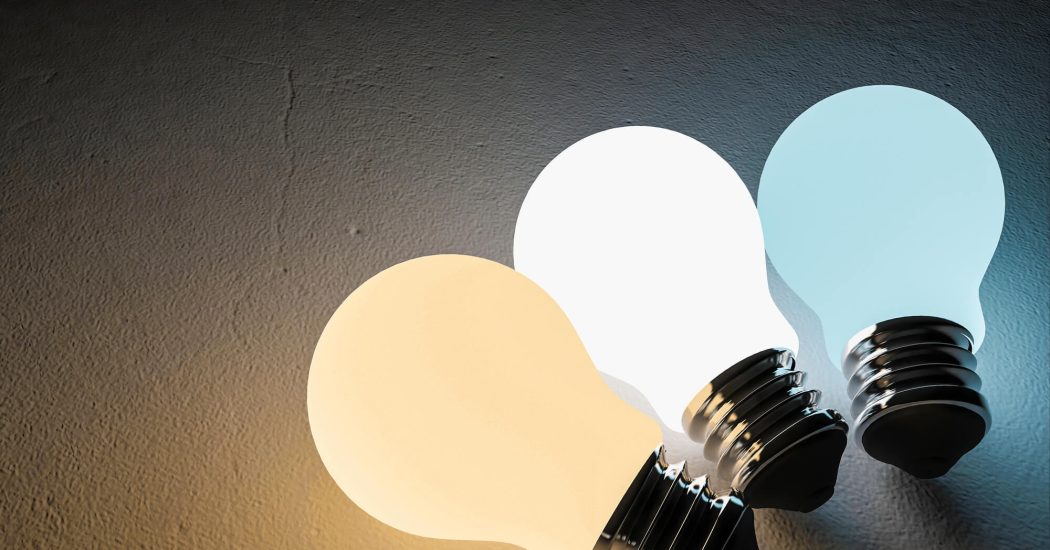
Color temperature is how warm or cool a light source appears. You measure it in Kelvin (K) on the Correlated Color Temperature Scale. Think of a warm, yellowish light that is lower on the scale, which creates a warm and cozy atmosphere for an intimate night.
In contrast, higher numbers translate to cooler, bluish lights, reminiscent of a bright, clear sky.
During the day, the sunlight changes color temperature. In the early morning and late afternoon, it hangs around 5000 K, giving everything a soft glow.
Midday light, though, averages about 5500 K, feeling bright and neutral. This shift in color temperature can be particularly useful for photographers.
It helps you get the correct color balance in your photos. For daylight film, a nice 5600 K is usually dead on.